Cat urine smell in a couch: what a cleaning enquiry should include
An odor without a large visible stain can still involve more than the surface fabric.
AllSurface Cleaning · Furniture care guide
Locate the concern without soaking the furniture
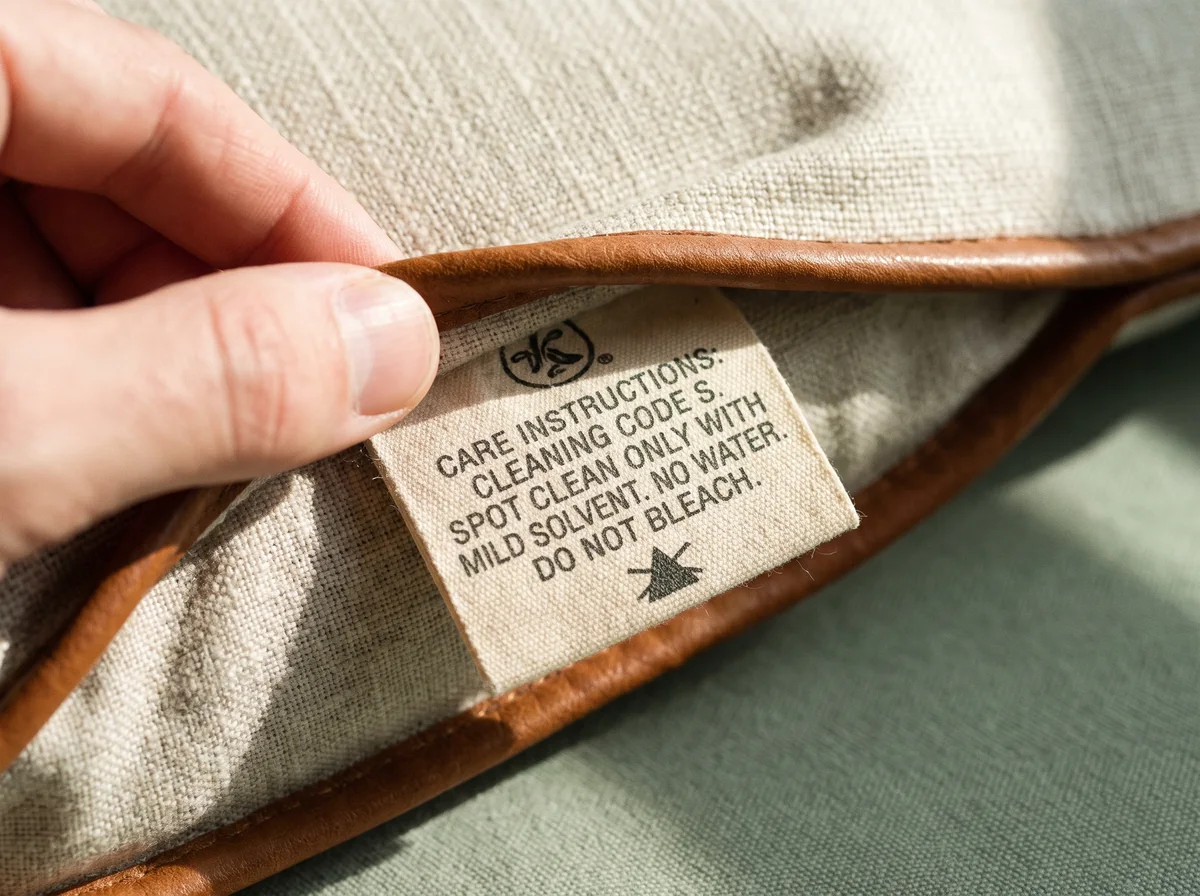
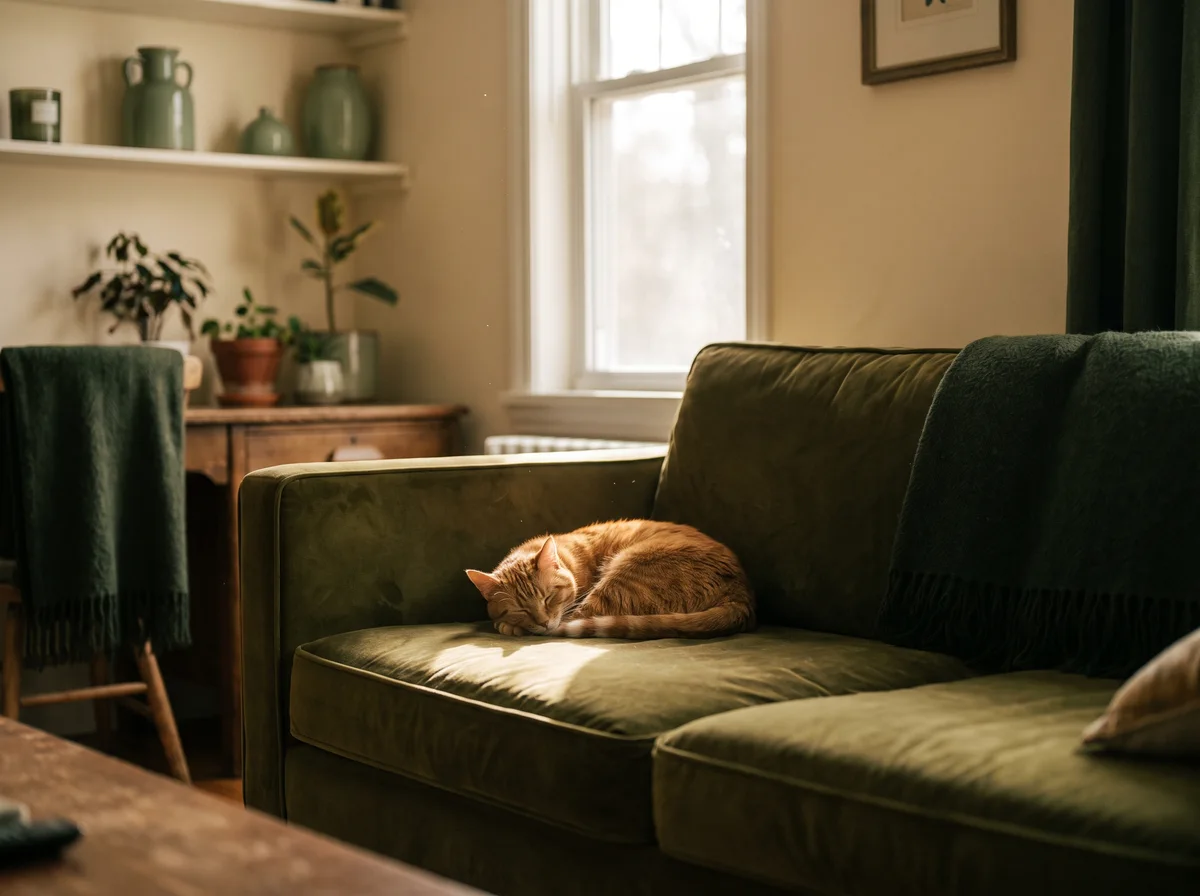
Describe where the odor seems strongest and whether you know when the accident occurred. Mention if more than one cushion or side of the furniture is involved. Do not cover the smell with repeated sprays or add large amounts of water to search for the source. Follow the item’s care guidance and keep pets away while you decide the next step.
Tell us about previous products
List any pet sprays, deodorizing powders, detergents or machine treatments already used. Include whether the affected area has fully dried since then. Different products can leave residues or alter the fabric, so this history helps avoid treating the item as if it were untouched. Do not mix products, particularly bleach with other cleaners or urine-contaminated material.
Understand the possible limits
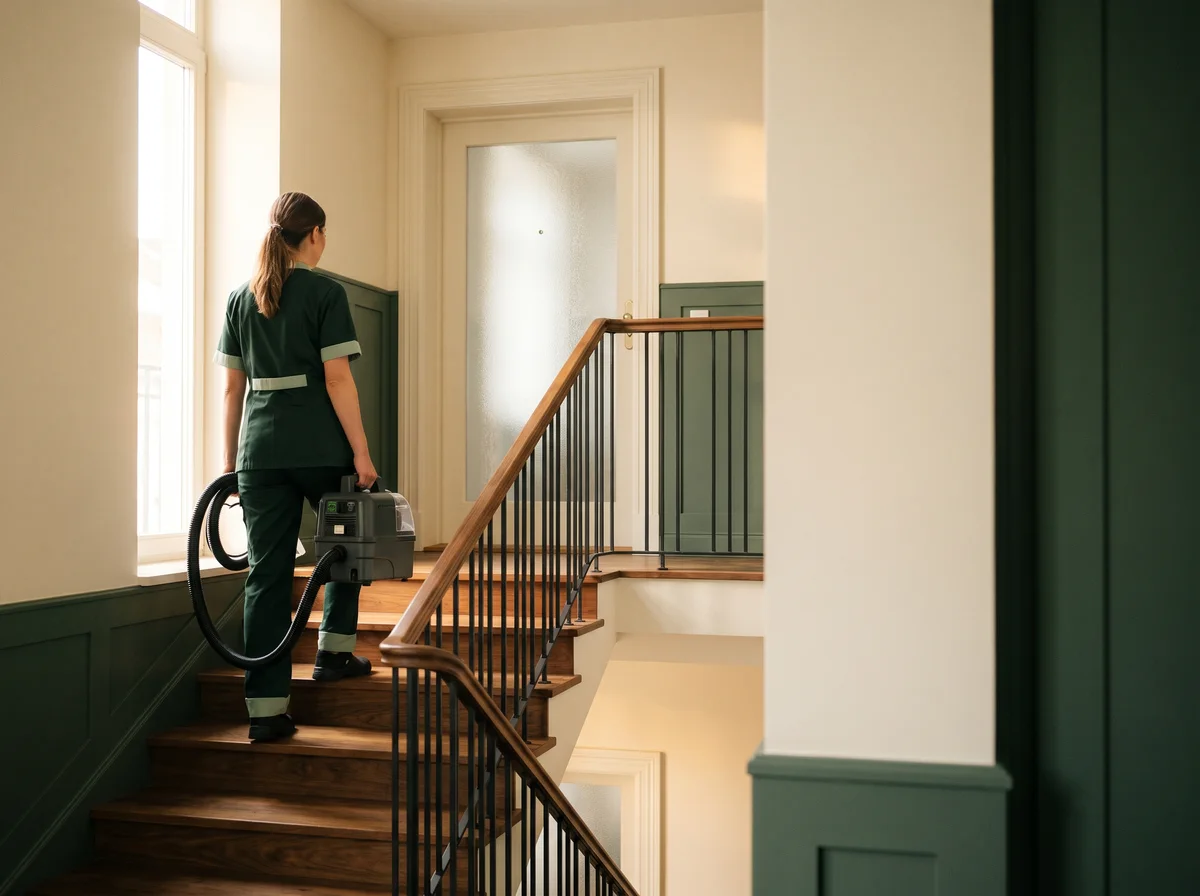
Cat urine can reach fillings, backing or structural components that surface cleaning does not fully address. The right plan may require more than an upholstery-face treatment, and complete odor removal cannot be promised from photos. Send a full view, care-label photo and your ZIP code. For Bay Ridge apartments, add floor and elevator details so both the furniture condition and the practical visit can be considered together.
Explore upholstered furniture or see our Bay Ridge visit guidance. Manufacturer instructions and an assessment of your item take priority over general guidance.